1. The Dialectic of Historical Shell and Modern Insertion
Adaptive reuse in Berlin is not historic pastiche. Choicecabinstorypuls treats the historical shell—charred industrial clinker brick, riveted steel stanchions, and vaulted Catalan ceilings—with profound reverence, while making modern interventions unmistakably modern.
We avoid faux-historic trim or simulated antiques. Instead, we insert freestanding steel mezzanine structures and glass volumes that float independently within the voluminous masonry envelope. This contrast allows the historical patina to stand in high-relief conversation against crisp, razor-sharp 21st-century geometry.
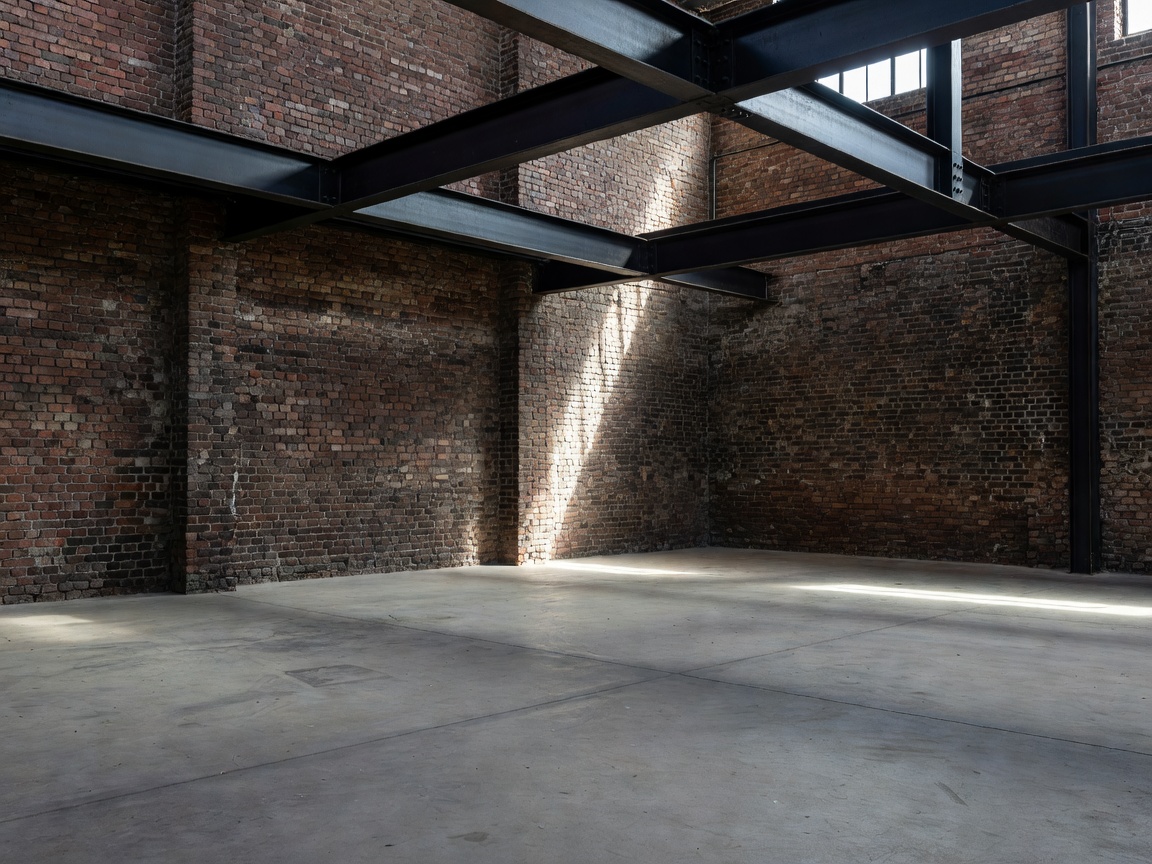 Figure 4.1: Former machine manufacturing facility in Berlin-Wedding converted into an architectural atelier with independent steel mezzanines.
2. Navigating Denkmalschutz (Monument Preservation)
Working within protected heritage assets in Germany requires meticulous coordination with regional monument authorities (Denkmalschutzbehörde). Key historic fabric cannot be permanently drilled, notched, or altered.
Our engineering team designs reversible anchoring systems. Independent load-bearing frames distribute vertical weights directly to foundation pads, minimizing mechanical ties into fragile 100-year-old mortar beds. Every spatial component we introduce can theoretically be unbolted and removed fifty years later, leaving the monument completely intact.
"Authentic preservation does not mean freezing a building in amber. It means inserting an unapologetic contemporary organ into an ancient chest so the heart continues beating."
3. Thermal Remediation of Solid Masonry
Historical solid brick walls lack external insulation barriers, presenting severe risks of thermal bridging, interstitial condensation, and frost spalling when heated modern environments are introduced. Exterior insulation (ETICS/WDVS) is strictly forbidden under heritage law due to exterior architectural facades.
Choicecabinstorypuls specifies capillary-active interior insulation systems using calcium silicate panels or aerated autoclaved lime mortars. These natural mineral materials wick humidity away from masonry interfaces, breathing moisture outward during summer cycles and preventing toxic mold accumulation behind wall finishes without compromising the historical street facade.
4. Technical Specifications for Heritage Reconversion
Standardized engineering criteria applied during industrial heritage remediation:
| Intervention | Specification Standard | Heritage Requirement | Physical Benefit |
|---|---|---|---|
| Internal Wall Insulation | 50mm Capillary-active Calcium Silicate boards | Reversible, zero vapor barrier requirement | Thermal conductivity λ = 0.059 W/(m·K) |
| Structural Mezzanines | HEB 220 Hot-Rolled Steel beams in RAL 9005 | Freestanding on existing footing pads | Spans up to 9.5 meters without vertical posts |
| Masonry Desalination | Cellulose poultice paste extraction | Chemical-free salt neutralization | Halts efflorescence and brick face spalling |
| Historic Window Replication | Slender thermally-broken steel profiles with argon IGUs | Matches historic 24mm sightline profiles | Uw value reduction from 4.8 to 1.1 W/(m²·K) |
5. Embodied Carbon & Sustainable Heritage Economics
Demolishing an existing industrial building consumes vast energy and sends hundreds of tons of rubble to municipal landfills. By preserving the structural masonry shell, Choicecabinstorypuls retains approximately 65% of the total embodied carbon of the building lifecycle.
Adaptive reuse combines environmental conservation with distinctive urban character, transforming neglected industrial ruins into high-value urban assets that outlive standard real estate lifecycles.
Consult on a Heritage Asset
We carry out historical feasibility studies, structural load inspections, and monument preservation filings across Berlin.
Initiate Heritage Consultation